
Advancements in Remote Patient Monitoring
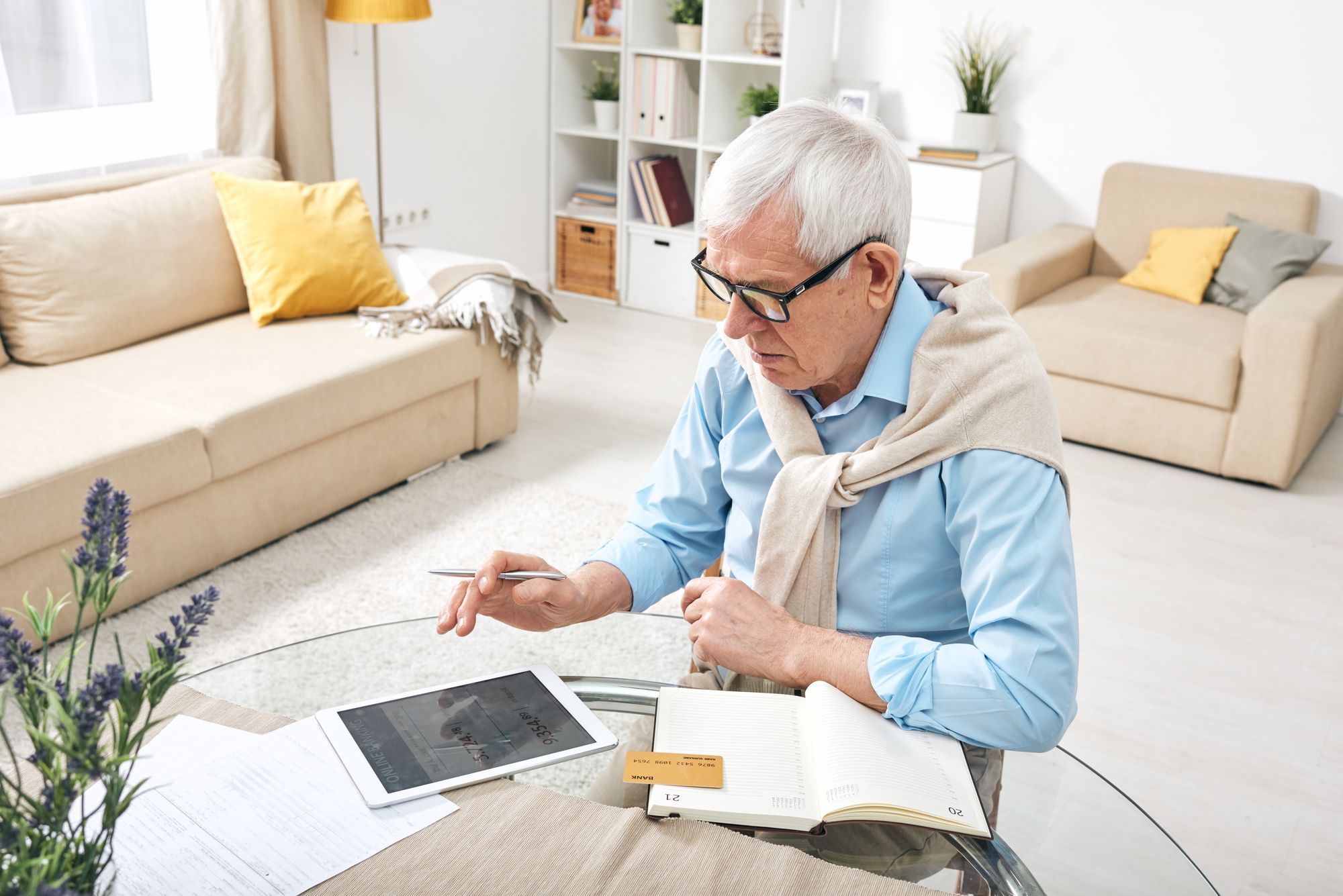
Remote patient monitoring (RPM) uses connected medical devices and digital platforms to collect patient health data outside traditional clinical settings. These systems allow healthcare providers to track vital signs, symptoms, and treatment adherence remotely, enabling continuous oversight without requiring patients to visit a clinic or hospital. RPM is used by health systems, care providers, and digital health teams that want to extend care beyond the hospital and manage patients with chronic or high-risk conditions more effectively.
The value of remote patient monitoring is earlier detection of health issues, improved chronic disease management, and reduced hospital readmissions. By continuously monitoring patient data such as blood pressure, glucose levels, heart rate, or oxygen saturation, care teams can identify changes in a patient’s condition and intervene before complications occur.
Modern RPM programs typically combine connected medical devices, mobile applications, and healthcare platforms integrated with electronic health records (EHRs). These systems transmit patient data in near real time, allowing clinicians to review trends, receive alerts, and adjust treatment plans remotely.
As healthcare shifts toward more proactive and home-based care models, remote patient monitoring is becoming a critical component of digital health strategies—helping healthcare organizations deliver continuous, data-driven care while improving patient convenience and engagement.
Is it worthy of the trust and support of payers, regulators, and patients?
A Deeper Dive into Patient Monitoring
Remote Patient Monitoring (RPM) is the use of telehealth technologies and other methods for collecting health data from patients in their homes and transmitting that information to Healthcare providers via secure networks. RPM aims to improve health outcomes by early detection of acute events, improving adherence to treatment regimens and optimizing medication usage, reducing hospitalizations and readmissions, and reducing mortality rates.
Remote patient monitoring uses sensors and connected devices to monitor a patient’s condition. It is used for people who are homebound, hospitalized, or institutionalized. The technology allows doctors to monitor a patient’s health status remotely and in real-time, improving their quality of care and patient satisfaction.
Remote patient monitoring lets providers manage acute and chronic conditions and allows providers to observe patients between visits.
We can track many symptoms and conditions through remote patient monitoring, including
- High blood pressure
- Diabetes
- Weight loss or gain
- Heart conditions
- Chronic obstructive pulmonary disease
- Sleep apnea
- Asthma
Data obtained from sensors and wearable devices are often enriched with information collected from questionnaires and surveys completed by patients also known as Patient Reported Outcomes (PROs).
Who needs Remote patient monitoring?
- Most frequently, Remote Patient Monitoring is used with older adults with chronic conditions such as heart disease or diabetes.
- Frequently, RPM is used with any patients under observation for difficult-to-detect conditions – such as Atrial Fibrillation.
- RPM may be used in rural areas with limited access to Healthcare, reducing the need for in-person and telehealth visits.
- RPM may also be used with overall healthy individuals with injuries limiting their ability to move around and see providers.
Why Use Remote Patient Monitoring?
Benefit #1: Improves clinicians, patient’s, and caregivers’ experience
- For patients, RPM improves access to care. Clinicians and researchers can reach out to patients in rural areas.
- Many of today’s RPM tools provide access to patient vital sign records and progress for caregivers. RPM allows caregivers to participate in and influence the care and address arising questions or emergencies.
- For clinicians, RPM provides more opportunities for communication, strengthens patient-provider relationships, and increases patient satisfaction and loyalty. It reassures patients that caregivers are watching them regularly.
Benefit #2: Reduced load on the Healthcare system
Remote patient monitoring benefits physicians by helping them prioritize and triage treatment for each patient and case based on patient status in near real-time. Many RPM tools can integrate with a vendor’s EMR, thus reducing duplication of documentation. Facing severe staffing shortages, RPM helps ease the burden of over-scheduled in-person visits by allowing physicians to perform some of their care virtually. We use a team-based model of care that allows for flexibility.
Benefit #3: Helps patients to improve self-awareness and follow the care plan
Remote patient monitoring benefits Healthcare providers by improving clinical insight into a patient’s condition between doctor visits and providing tools to enable proactive care. RPM allows providers to see how patients’ symptoms change over time, identifying trends and modifying their treatment plan accordingly.
Remote patient monitoring is readily available, condition-specific, and easy for various patient populations, especially those with chronic comorbidities. It also builds patient engagement and provides tools to help patients understand their health. When patients understand their condition, care plan, and responsibility to improve their health, they are more likely to experience positive health outcomes. Convenient access to health education materials further enhances their engagement.
Benefit #4: Cost reduction for payers, providers, and patients
RPM reduces unnecessary hospital admissions and readmissions. It allows ED rerouting and early acute discharge, shortening hospital stays and reducing treatment costs. RPM enables an adequate level of critical care and chronic disease monitoring at home, reducing the high cost of inpatient services.
Additionally, RPM expands recommended options and increases customer loyalty. Offering RPM programs to referral hospitals and specialists can increase referrals and revenue. Access to innovative care through technology creates a competitive advantage, attracts potential patients, and improves the retention of existing patients. Consumer-centric care makes patients increasingly value convenience and loyalty to the providers who provide their services.
Benefit #5: Boosts net patient revenue
Treating a patient is usually lower than the associated brick-and-mortar cost. An organization adopting RPM can increase patient net income by improving workflow efficiency, increasing staff productivity, and reducing administrative costs. RPM also offers opportunities for redemption and competitive advantage.
What mechanisms exist?
- Patient Reported Outcomes
- Data Collection from different devices (wearables) – ex. Apple health kit
- House-installed devices (for example, blood pressure, the temperature in the house)
- Video monitoring and AI to recognize adverse events
- Visiting personnel that comes and monitors patients in-house.
Examples of Remote Patient Monitoring Devices
Wearables
Wearables are devices that monitor a person’s health and activity levels.
For example, a wearable can track a person’s heart rate and blood pressure or how much exercise they get each day. You can also use wearables to track other essential body functions, such as glucose levels in diabetics, oxygen saturation levels for people with lung disease, or even brain waves for people with epilepsy who have seizures regularly.
Sensor-based devices
These devices allow monitoring someone’s lifestyle from home by attaching sensors to everyday objects in your house. For example, a patient can attach a sensor to their refrigerator so that it knows when they open and close it. It sends this data back so that a health provider or a clinical researcher can see how often they open and close their refrigerator throughout the day.
Advancements in Remote Patient Monitoring
- Using AI to detect adverse events
- Innovative usage of wearable devices
- Cutting-edge sensors (e.g., in a toothbrush)
Future of Remote Patient Monitoring
(RPM) is a solution that helps you do more with fewer resources. It’s also a way to help your patients feel more comfortable because they can be in contact with their doctors from anywhere. They can feel reassured knowing their doctor is available when they need them, even if they’re not in the office.
The rapid transition of the pandemic caused the most problems associated with RPM. But now, it is possible to combine RPM and traditional monitoring into a hybrid that brings the best out of both styles.
March 2025
FAQ
What is remote patient monitoring?
Remote patient monitoring is a healthcare approach that uses connected devices and digital platforms to collect patient health data outside clinical settings. These systems transmit information such as vital signs and symptoms to healthcare providers. The goal is to support continuous care, allowing clinicians to monitor patient conditions and respond to health changes without requiring in-person visits.
What types of data are monitored in RPM programs?
RPM programs commonly track vital signs such as blood pressure, heart rate, oxygen saturation, glucose levels, and body weight. Some systems also monitor activity levels, medication adherence, or patient-reported symptoms. This data provides clinicians with ongoing insights into a patient’s condition and helps identify early warning signs of potential health issues.
How does remote patient monitoring improve patient outcomes?
Continuous monitoring allows healthcare providers to detect changes in patient health earlier than traditional appointment-based care. Early intervention can prevent complications, reduce hospitalizations, and improve management of chronic conditions. RPM also supports more personalized treatment decisions based on real-time patient data.
Who benefits most from remote patient monitoring?
Remote patient monitoring is particularly beneficial for patients with chronic conditions such as diabetes, hypertension, heart disease, or respiratory illnesses. These patients often require frequent monitoring and follow-up care. RPM allows providers to track their health remotely, improving care continuity while reducing the need for repeated in-person visits.
How does RPM integrate with healthcare systems?
Most remote patient monitoring platforms integrate with electronic health record systems using interoperability standards and APIs. This integration allows patient data collected from home devices to become part of the clinical record. Clinicians can then review RPM data alongside other medical information when making care decisions.