

Make Sure You Avoid These Mistakes In Clinical Decision Support Systems
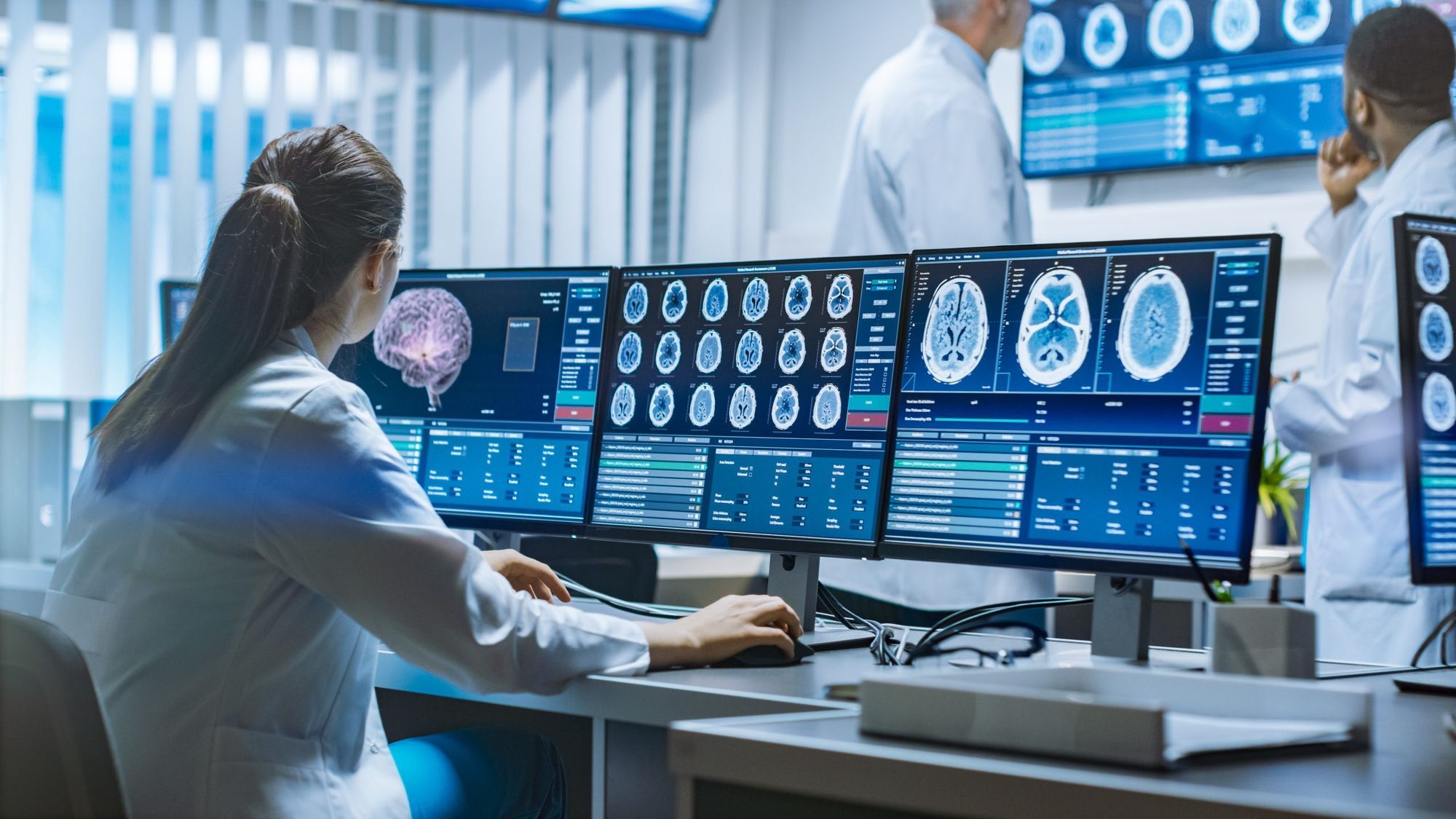
Clinical decision support systems (CDSS) are digital tools that help clinicians make better medical decisions by providing patient-specific insights during care. These systems analyze clinical data—such as patient history, medications, lab results, and guidelines—to deliver alerts, recommendations, or diagnostic support at the point of care. CDSS are used by healthcare organizations, health IT teams, and clinical informatics groups that want to improve decision quality while reducing medical errors and workflow inefficiencies.
However, many CDSS implementations fail to deliver value because of design, integration, or usability mistakes. When decision support tools generate too many alerts, are poorly integrated into clinical workflows, or rely on incomplete data, clinicians may ignore them or disable them entirely. This reduces trust in the system and limits its impact on patient care.
Effective clinical decision support systems are designed to deliver the right information to the right clinician at the right moment in the workflow. They must integrate seamlessly with electronic health records (EHRs), rely on high-quality clinical data, and provide recommendations that are relevant and actionable.
Avoiding common CDSS implementation mistakes—such as alert fatigue, poor workflow integration, and unclear clinical logic—is essential for ensuring that decision support tools improve patient outcomes while supporting clinicians rather than interrupting their work.
The problem of CDSs Today
The results were interesting in the recent 2020 meta-analysis of controlled clinical trials on the effectiveness of clinical decision support systems. Although there have been over 100 studies involving over one million patients and 10,000 providers, the results vary greatly, and we need to figure out why. This means we must try different things to see what makes clinical decision support as efficient as possible.
We must find new ways to design clinical decision support systems that will have a bigger impact while preventing alert fatigue.
Why Should We Care About Clinical Decision Support?
On September 28, 2022, the FDA has issued its final guidance on Clinical Decision Support software. This guidance follows the Agency’s September 2019 draft guidance and clarifies how to understand if clinical decision support software is a medical device. This shows that Clinical Decision Support is still being developed in the USA. So, it is important to understand the main benefits and boundaries of CDS.
What is the market prediction?
A new report “Global Clinical Decision Support Systems Market Size, Share, Growth, Industry Trends and Forecasts 2022-2029,” provides an in-depth analysis of the global Clinical Decision Support Systems market.
The Clinical Decision Support Systems Market is anticipated to grow by USD XX billion by 2029 from USD XX billion in 2020. In addition, the market’s growth momentum will accelerate at a CAGR of 9.3% during the forecast period.
Examples of health benefits for patients
- Clinical researchers can also implement CDSS to raise awareness of a disease and improve care. They use CDSS to educate on the subtleties of a specific disease and discuss comorbidities and atypical presentations. The goal is often to integrate their CDSS into existing EHR systems. As a result, patients and doctors benefit: more patients get diagnosed, and more doctors learn about the specific diagnosis.
- CDSs work to diagnose specific illnesses. For example, the use of clinical decision support systems (CDSSs) is associated with improvements in reversible risk for cardiovascular disease (CVD) among patients with the highest levels of baseline risk, according to a study published online.
- Using CDSS to make decisions was found to be safe. CDSS has the potential to encourage things like lifestyle changes, which can be more effective in the long run.
The Infamous Alert Fatigue
Studies have found that up to 95% of clinical decision support system alerts are not important, and often physicians disagree with them or don’t trust them. Other times they just do not read them. If physicians are presented with too many alerts, they can start to ignore them. Disruptive alerts should only be used for more serious contraindications, such as life-threatening allergies. However, even allergy alerts can be incorrect, and clinicians will often check themselves, especially if the alert comes from another site/hospital/practitioner.
So What Can You Do?
Some applications of CDSSs have more evidence to support their use than others, especially those based on CPOE (computerized physician order entry). The use of CDSSs is increasing in the age of the electronic medical record, and there are still more advances to be made, including:
- interoperability (the ability to work with other computer systems);
- speed and ease of deployment;
- affordability.
What should you focus on to make CDS better?
- Making sure the ocean of existing information is turned into actionable items will have a big impact on patient care;
- Learning from past experiences of implementing CDS, like how it was incorporated into the EHR and delivered to the practitioner. This will help us figure out how to do it in a way that is helpful and easy to use.
- Strategies for using CDS in real life that consider things like how to manage change, measure success, and make sure it is usable.
Most importantly, you have to take care of doctors. While technological advancements provide value that we never dreamed about before, a healthy and happy medical practitioner is and will be essential to good Healthcare. For example, we need to remember that following the guidelines from CDSS may mean that more medication is used, but only a practitioner can tell if it is worth it with potential side effects.
Talking to doctors, primary users of the clinical support system,, is essential to make it work for them. If you designed their user experience well, then CDS will be the helpful tool that it was supposed to be.
FAQ
What is a clinical decision support system?
A clinical decision support system is a healthcare technology that provides clinicians with data-driven insights during patient care. It analyzes clinical information such as patient history, medications, and lab results to generate alerts or recommendations. The goal is to help clinicians make more informed decisions and reduce the risk of medical errors.
Why do clinical decision support systems sometimes fail?
Many CDSS implementations fail because they disrupt clinical workflows or generate too many alerts. When clinicians receive excessive or irrelevant notifications, they may begin ignoring them. Poor data quality or weak integration with the EHR can also reduce the usefulness and trustworthiness of decision support systems.
What is alert fatigue in clinical decision support?
Alert fatigue occurs when clinicians receive too many system alerts or warnings during their workflow. When alerts appear too frequently or lack relevance, clinicians may dismiss them without review. This reduces the effectiveness of decision support tools and can potentially allow important clinical warnings to be overlooked.
How should CDSS integrate with healthcare workflows?
Decision support systems should be embedded directly within clinical workflows and EHR interfaces. Recommendations should appear at the moment when clinicians are making relevant decisions, such as ordering medications or reviewing lab results. Seamless integration ensures the system supports care rather than interrupting it.
What makes a clinical decision support system effective?
Effective CDSS tools rely on high-quality clinical data, clear clinical logic, and workflow-aware design. They provide targeted recommendations that are relevant to the patient and clinical context. When implemented correctly, these systems improve care quality, reduce errors, and support more consistent clinical decision-making.